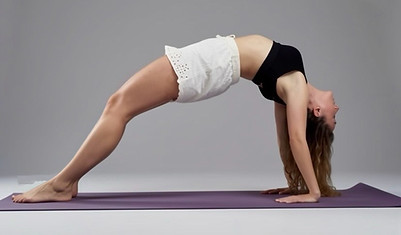
The practice of Yoga induces primary sense of measure and proportion. Reduced to our own body, our finest instrument, we learn to play it, drawing from it maximum resonance and harmony.
Yehudi Menuhin
In the last years of playing the trumpet and teaching at the Brass Dept. of my Conservatory, I experimented with asanas and finally curated and organised a series of specific Yoga sequences designed for trumpet players to optimise both pre and post practice routines. Prior to playing, these targeted stretches and breathing exercises will enhance your mental focus and align your musculoskeletal system to avoid misuse and stress at your joint. Following your practice, restorative poses will effectively alleviate tension and promote relaxation. By integrating these specialized yoga procedures, you can achieve greater balance and physical tone, ultimately enhancing your performance.
People do not decide their futures, they decide their habits and their habits decide their futures —
F.M. Alexander
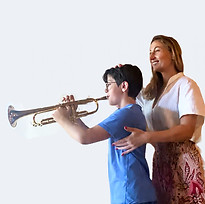
The Alexander Technique is a transformative approach taught at prestigious institutions like Juilliard in New York and RAM in London. With over a decade of experience as a certified teacher since 2009, I have witnessed firsthand the positive impact that my lessons have on musicians' practices. The work comprises of spotting habits and re-establishing more accurate coordination. Individual lessons can significantly reduce the effort required to play, while optimising performance results. Experience the benefits of technique and elevate your musical journey.
The most common problems I have seen
over the last 60 years I have been teaching
are with respiration problems and the tongue.
Surprisingly enough, I rarely find
problems with the embouchure.
Arnold Jacobs
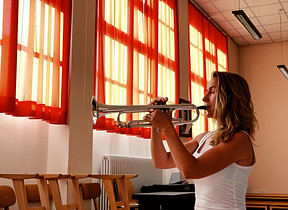
My Face Yoga classes focus on releasing tension in facial and deep neck muscles, which can help alleviate TM joint disorders and will improve tongue control. By practicing these, brass players can also achieve a more coordinated inbreathe and out-breath, solving indirectly problems with the embouchure, for better sound production and overall comfort. Changing the habit of frowning, alleviating tension around the eyes will also make life easier. Join me in discovering the benefits of a balanced face for a more enjoyable musical experience!